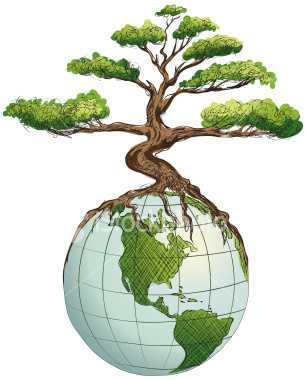
Environmental management is the management of all components of the biophysical environment in a effective manner with naturally available resources, both living (biotic) and non-living (abiotic) things. More over it involves the relationships of the human environment, such as the social, cultural and economic environment with the biophysical environment.
Knowledge in Environmental management is helps to reduce environmental impact as measured by some objective criteria. For example The ISO 14001 standard is the most widely used standard for environmental risk management and is closely aligned to the European Eco-Management and Audit Scheme (EMAS). As a common auditing standard, the ISO 19011 standard explains how to combine this with quality management.
An eminent environmental manager knows to work with environmental management functions, environmental management tools, and standards and systems are required for a sustainable environment in an industry.
Occupational Health & Safety Management
Occupational health and safety is a system that protects the safety, health and welfare of people engaged in work or employment. The goal of all occupational health and safety programs is to foster a safe work environment.
Environmental Auditing
Environmental audit is general evaluation intended to quantify environmental performance/compliance. There are generally two different types of environmental audits compliance audits and management systems audits. Compliance audits tend to be the primary type in the US or within US-based multinationals
Environmental Impact Assessment
An environmental impact assessment is an assessment of the possible positive or negative impact that a proposed project may have on the environment, together consisting of the natural, social and economic aspects.
Environmental Management system and Planning
Environmental management system (EMS) refers to the management of an organization's environmental programs in a comprehensive, systematic, planned and documented manner. It includes the organisational structure, planning and resources for developing, implementing and maintaining policy for environmental protection.
Energy Management
It related to the use of innovative to do a expensive work with less energy and Implementing the techniques related to energy conservation.
Waste management (Liquid, Solid, Air)
Waste management is the collection, transport, processing, recycling or disposal, and monitoring of waste materials. The term usually relates to materials produced by human activity, and is generally undertaken to reduce their effect on health, the environment or aesthetics.